Pilling Claims in Wool Knitwear: How Finishing Rooms Can Reduce Disputes
Pilling claims rarely start with one simple defect. They usually build from a chain of decisions: yarn selection, knitting tension, scouring efficiency, milling intensity, surface hairiness, drying conditions, garment abrasion, and the way the buyer tests or wears the piece.
For a wool processing mill supplying apparel brands or private-label buyers, the finishing room is often where the dispute becomes controllable. You may not be able to change the yarn or garment design, but you can reduce loose surface fiber, stabilize handle, protect shade, and document a repeatable process.
Lanefold works as an enzyme supplier for wool processing mills that need practical finishing support, not generic additives. The goal is straightforward: fewer avoidable pilling complaints, fewer rework conversations, and more consistent lots leaving the mill.
Why wool knitwear pills after shipment
Pilling is the result of fiber ends working out of the yarn, tangling on the surface, and forming small balls under abrasion. In wool knitwear, the issue is influenced by several production variables:
- Fiber length and blend composition: shorter or weaker fibers migrate more easily to the surface.
- Yarn twist and construction: low-twist, lofty yarns can improve softness but may increase surface fuzz.
- Knit structure: open structures and high-friction zones can show pilling earlier.
- Scouring and rinsing quality: residual grease, processing aids, or loose particulate matter can affect surface cleanliness.
- Milling and mechanical action: excessive agitation can raise fiber ends before the garment reaches the customer.
- Finishing chemistry: softeners, resins, and enzyme treatments must be balanced against handle, shade, and strength.
- Drying profile: over-drying or uneven moisture removal can change surface feel and friction.
A strong claims-prevention plan does not rely on one finishing product. It aligns materials, bath conditions, machine action, and final inspection around a defined surface standard.
The finishing-room risk: soft handle versus surface stability
Wool buyers often ask for a warm, soft, premium hand. The risk is that softness can be achieved in ways that leave too many loose surface fibers intact. A garment may feel excellent in the sample room, then show fuzz and pills after retail wear or buyer testing.
The finishing manager has to hold three requirements together:
- A clean surface with controlled hairiness
- A soft, natural wool handle
- Preserved fiber strength and shade depth
If the process removes too much material, the mill may see weight loss, strength concerns, seam weakness, shade shift, or a thinner hand. If it removes too little, pills remain likely. The productive zone is narrow, which is why repeatable bath conditions and lot documentation matter.
Where enzyme finishing can help
Targeted enzyme finishing can support pilling reduction by helping clean up weak, protruding surface fibers. Used correctly, it can improve the appearance of wool knitwear while maintaining the tactile qualities buyers expect.
For mills, the value is not simply a softer garment. The value is a more controlled surface:
- Reduced loose fuzz before shipment
- Cleaner face appearance on dark and medium shades
- More stable handle from lot to lot
- Lower need for aggressive mechanical correction
- Fewer disputes around early-wear pilling
- Better alignment between lab approval and bulk production
Enzyme treatment should be treated as a controlled finishing step, not a rescue operation after the garment has already been over-worked.
Process points that influence claim reduction
1. Start with a pilling-risk map
Before adjusting chemistry, classify the order by pilling risk. A simple mill-side risk map can include:
- Yarn type and fiber quality
- Gauge and knit structure
- Shade depth
- Garment weight and density
- Buyer pilling requirement
- Prior claim history for similar styles
- Target handle and surface appearance
High-risk orders should receive more careful pilot finishing, closer surface inspection, and clearer buyer alignment before bulk release.
2. Control surface cleanliness before enzyme treatment
Enzymes perform best when the wool surface is accessible and the bath is stable. Poor scouring or inconsistent rinsing can leave the finish fighting against residual oils, detergents, dyestuff traces, or suspended lint.
Good preparation helps the finishing room achieve the intended effect with less mechanical force. It also reduces the chance that one lot behaves differently from the next.
3. Keep bath conditions stable
For wool, bath control is a claims-control tool. Temperature drift, pH variation, uneven liquor movement, excessive loading, or long hold times can change the finish from gentle surface refinement to unwanted fiber attack.
A practical production checklist should record:
- Load size and garment movement
- Bath ratio range used by the mill
- Temperature profile
- pH setpoint and adjustment timing
- Addition sequence
- Hold time
- Stop or rinse step
- Drying method and final moisture target
The best finishing program is one your operators can repeat on a busy shift.
4. Balance enzyme action with mechanical action
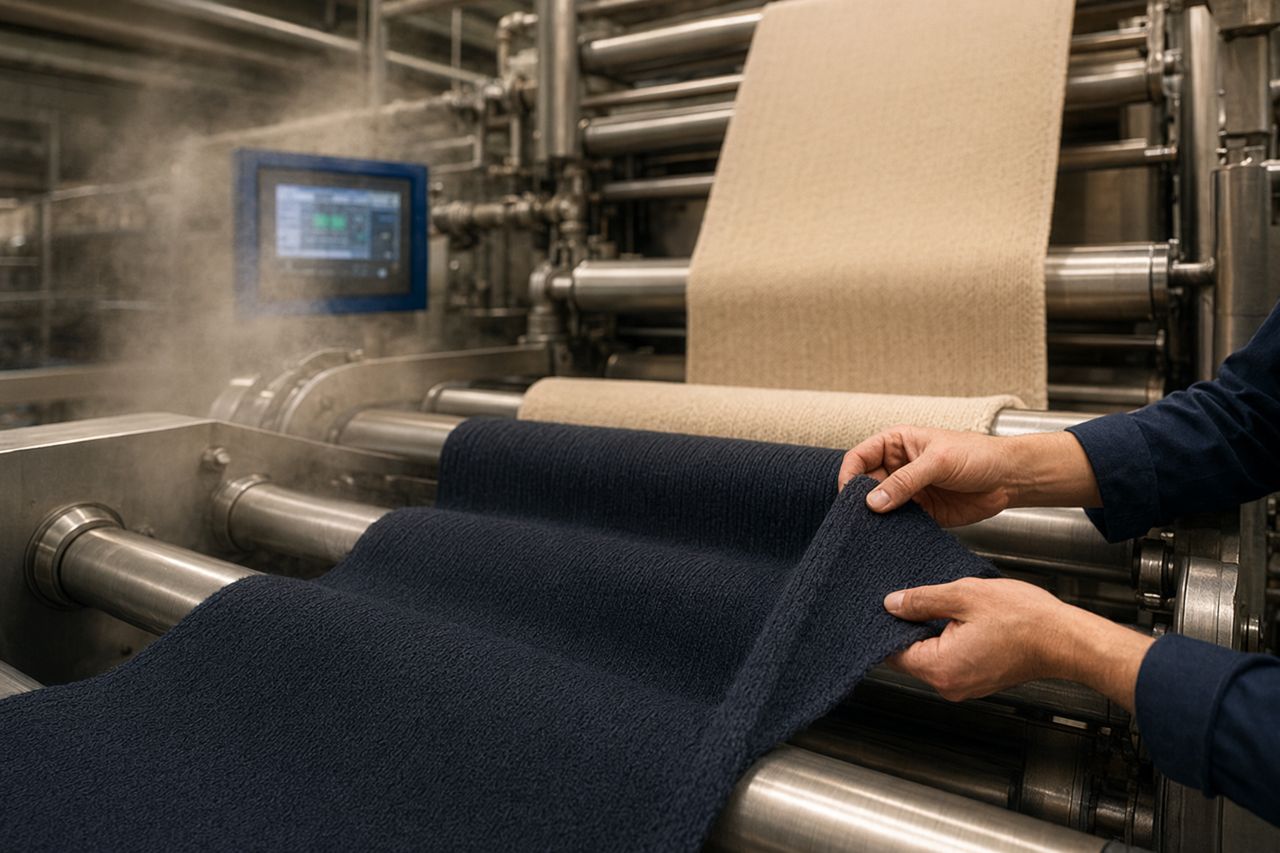
In knitwear finishing, chemistry and machine action are linked. Stronger mechanical movement can raise fibers while also helping remove loosened fuzz. Too much action, however, can increase felting risk, distort dimensions, or create uneven appearance.
A controlled enzyme step can allow the mill to reduce reliance on harsh mechanical correction. That is often where the commercial value appears: fewer damaged pieces, more consistent hand, and less rework.
5. Protect shade and premium appearance
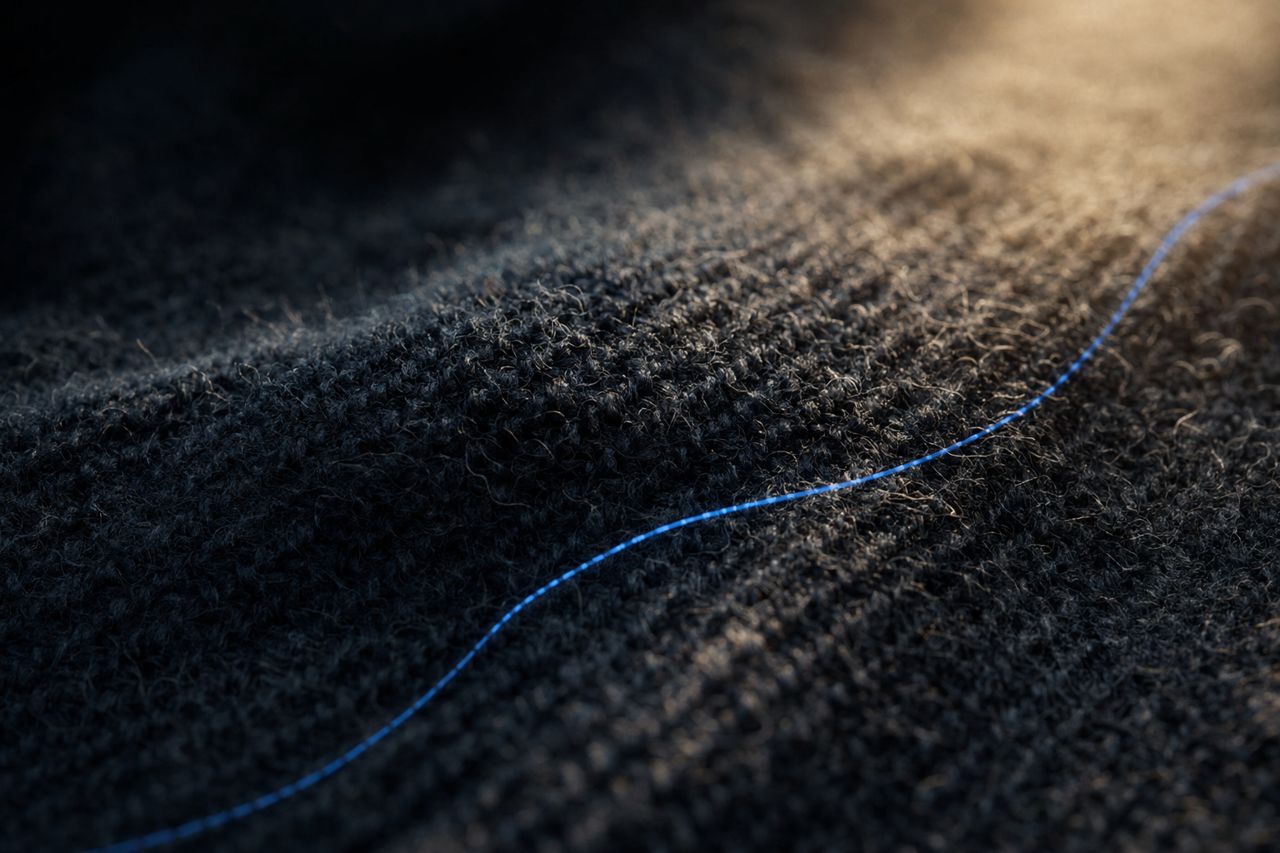
Pilling claims are often discussed together with shade complaints. A dark navy or black garment with loose surface fibers can look dusty, grey, or worn before it has been worn. Surface refinement can help improve visual clarity, but the process must be checked against shade preservation.
For each new shade family, compare:
- Before and after surface hairiness
- Face clarity under raking light
- Handle and fullness
- Dimensional stability
- Seam and edge appearance
- Shade depth after drying
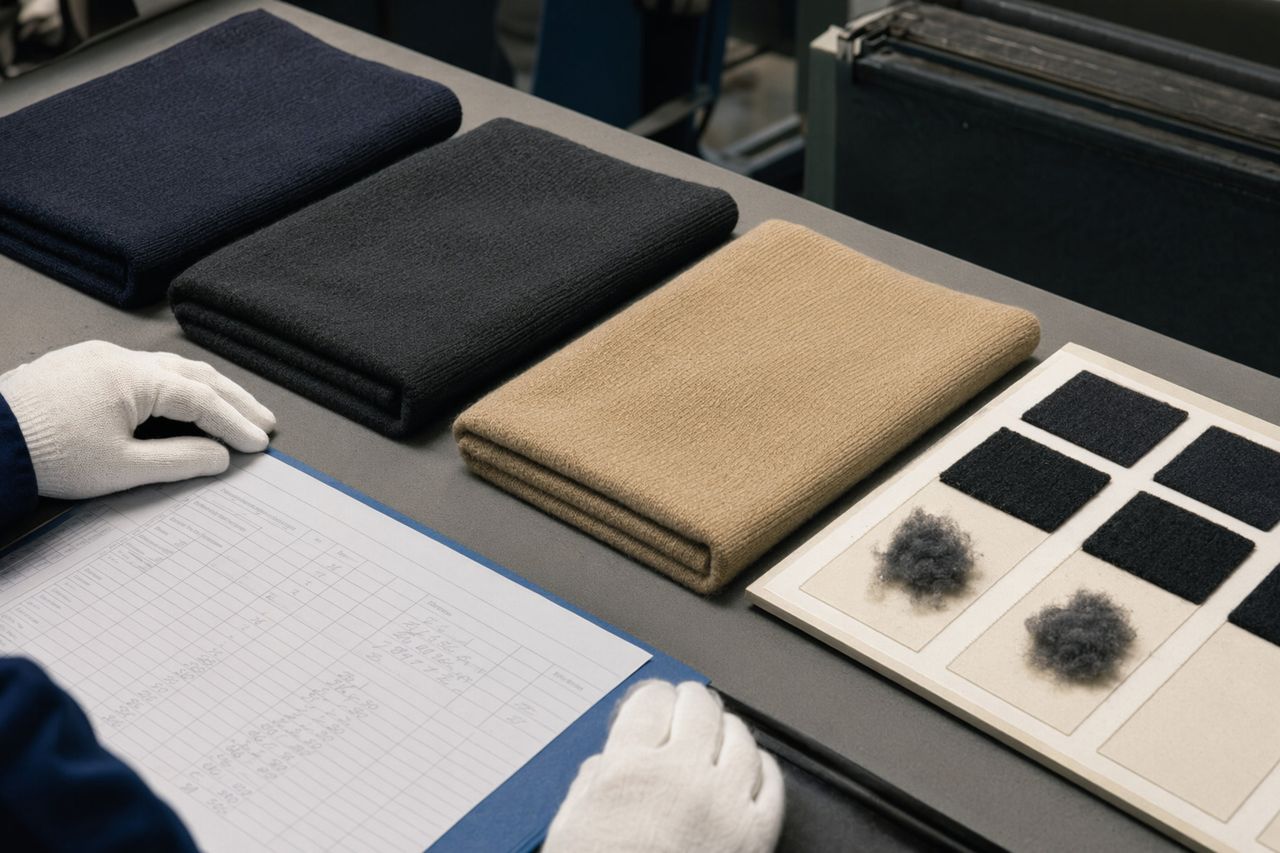
Do not approve bulk based on touch alone. Inspect under consistent lighting and compare against retained standard panels.
Building a claims-prevention protocol
A reliable wool knitwear pilling protocol should be simple enough for production and detailed enough for dispute resolution.
Recommended mill workflow
- Risk classify the style before bulk finishing.
- Run a pilot lot using representative garments, not only lab swatches.
- Set visual standards for fuzz, face clarity, and handle.
- Define bath conditions that operators can reproduce.
- Record process data for every lot.
- Retain finished references from approved production.
- Inspect high-friction zones such as underarms, side seams, cuffs, and plackets.
- Review claims feedback by style, buyer, yarn, and finishing route.
This approach gives the mill a stronger technical position when discussing any complaint. It also helps identify whether the issue is finishing-related, yarn-related, garment-design-related, or linked to buyer expectations.
What to avoid when claims pressure rises
When a buyer reports pilling, it is tempting to intensify the next production run. That can create new problems.
Avoid these common reactions:
- Extending treatment time without checking strength and shade
- Increasing mechanical action until the surface looks clean but the garment loses body
- Applying more softener to mask harshness after over-processing
- Approving bulk based on one attractive sample
- Changing multiple process variables at once
- Skipping retained standards because the order is urgent
Claims prevention improves when the mill narrows the process window, not when it keeps chasing the defect with stronger finishing.
How Lanefold supports wool processing mills
Lanefold supplies enzyme solutions for wool finishing with a production-minded approach. We help mills evaluate where enzyme treatment can support surface refinement, where process control needs tightening, and where the risk may sit outside the finishing room.
Typical support conversations include:
- Anti-pilling and surface-cleanup goals for wool knitwear
- Handle targets for premium apparel programs
- Shade preservation concerns on dark colors
- Bath condition planning for repeatable lots
- Rework reduction and pilot-to-bulk transfer
- Claim-history review by buyer or style family
We focus on practical mill outcomes: cleaner surfaces, stable handle, controlled shrinkage risk, preserved appearance, and fewer surprises after shipment.
A calmer way to manage pilling risk
Pilling disputes can become emotional because they touch every part of the supply chain: the brand, the buyer, the mill, and the wearer. The finishing room cannot control all of those variables, but it can control the process it releases.
A measured enzyme finishing program helps the mill move from reactive correction to documented prevention. That is the difference between explaining a claim after the fact and showing the buyer a controlled route from the start.
Request finishing support for your next wool knitwear order
If you are reviewing pilling claims, preparing a new private-label wool program, or tightening bulk consistency, Lanefold can help you assess the finishing route.
Request a quote through the on-site form and tell us about the wool type, garment construction, shade range, bath conditions, and claim target you need to manage.